Engagement ring setting styles, explained simply
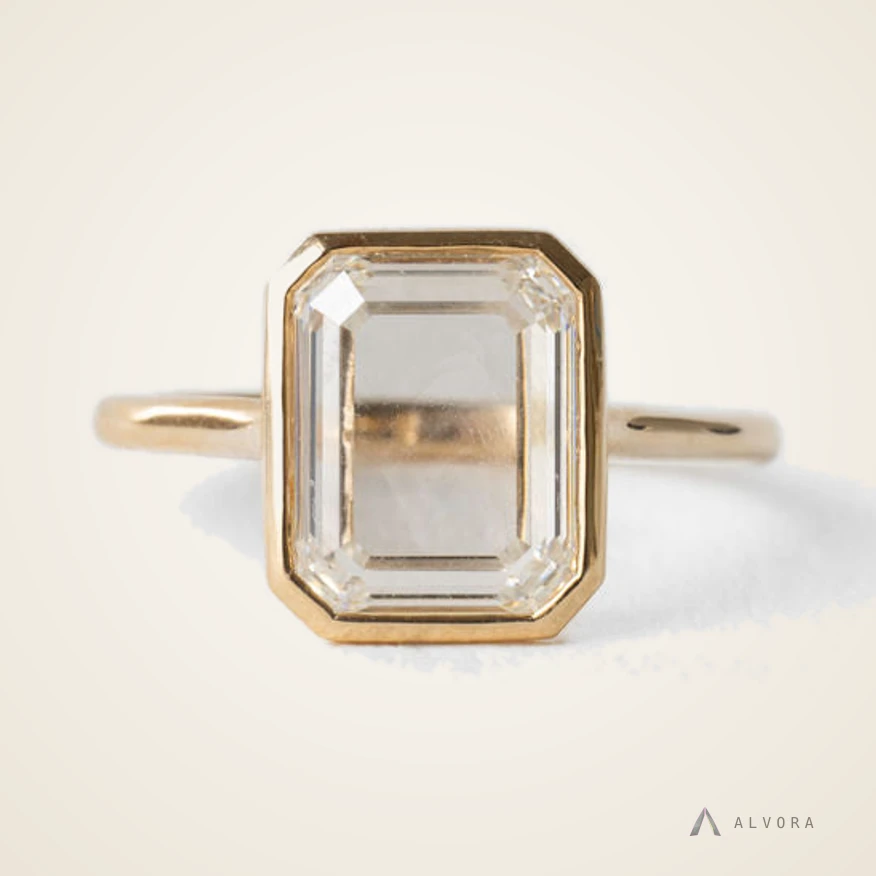
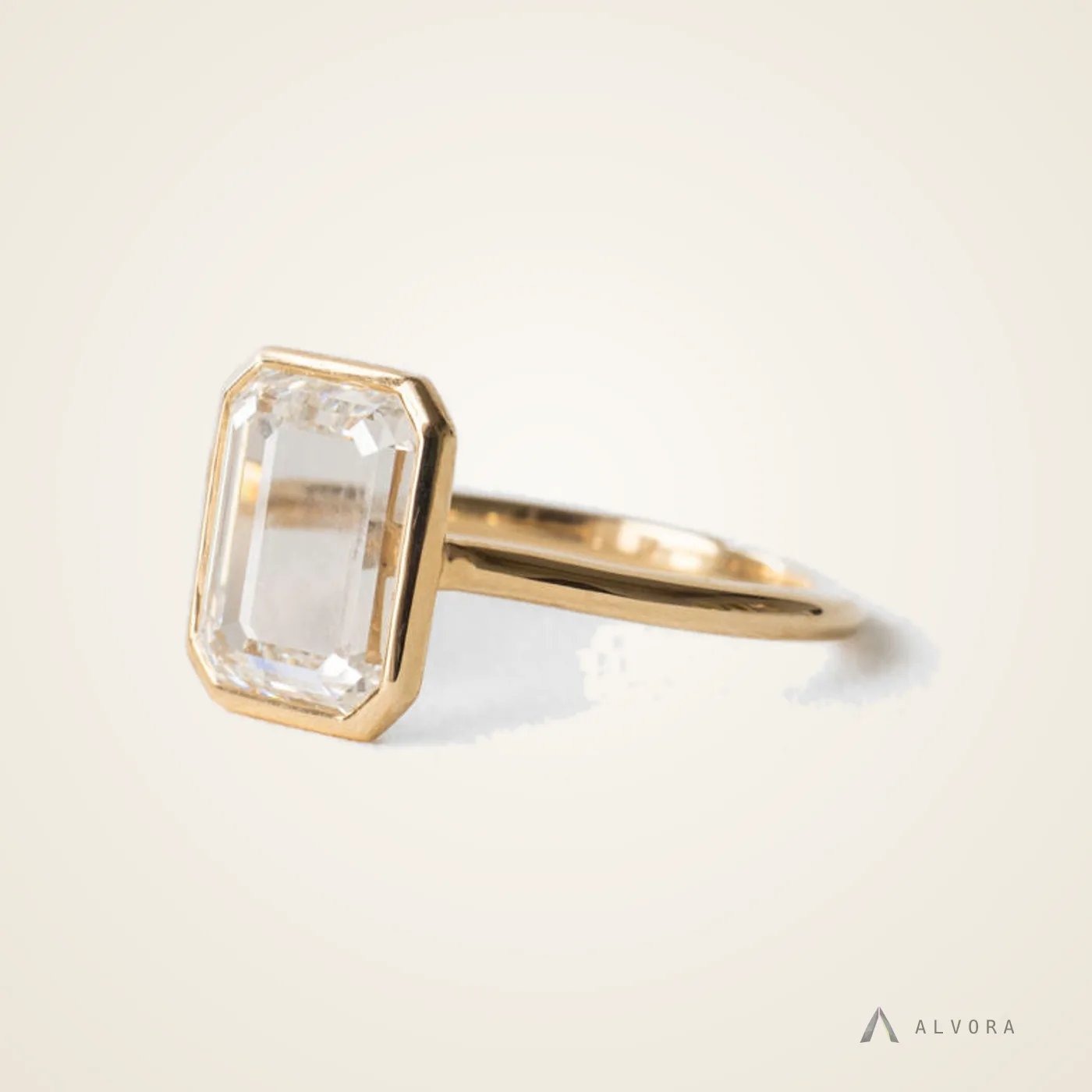
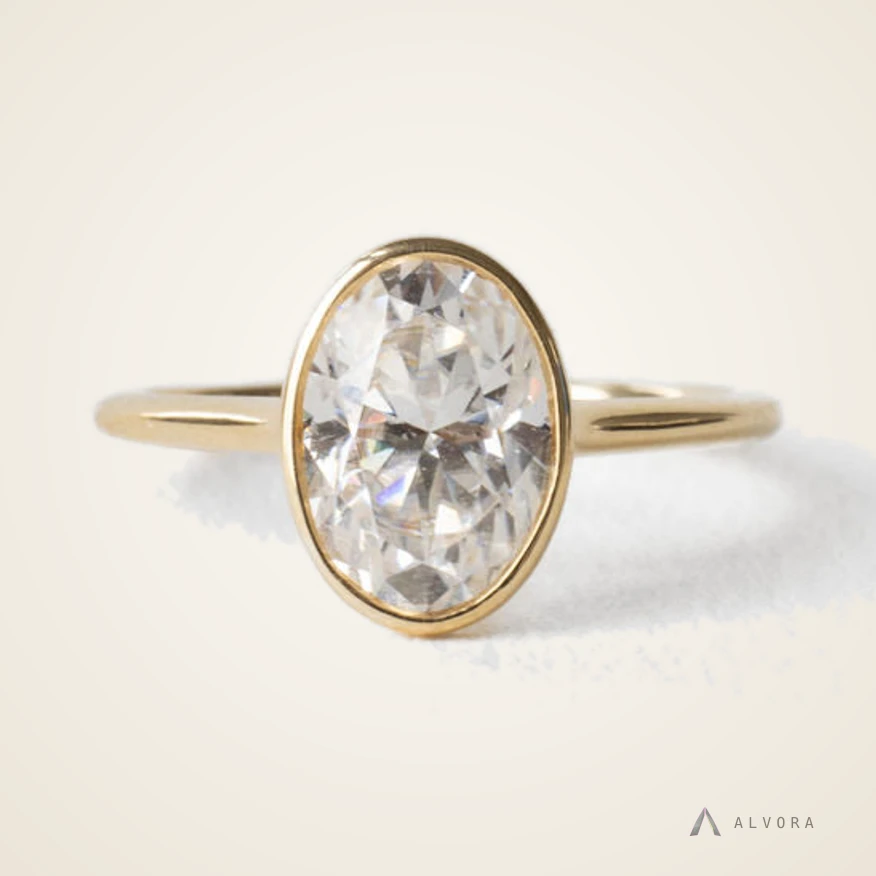
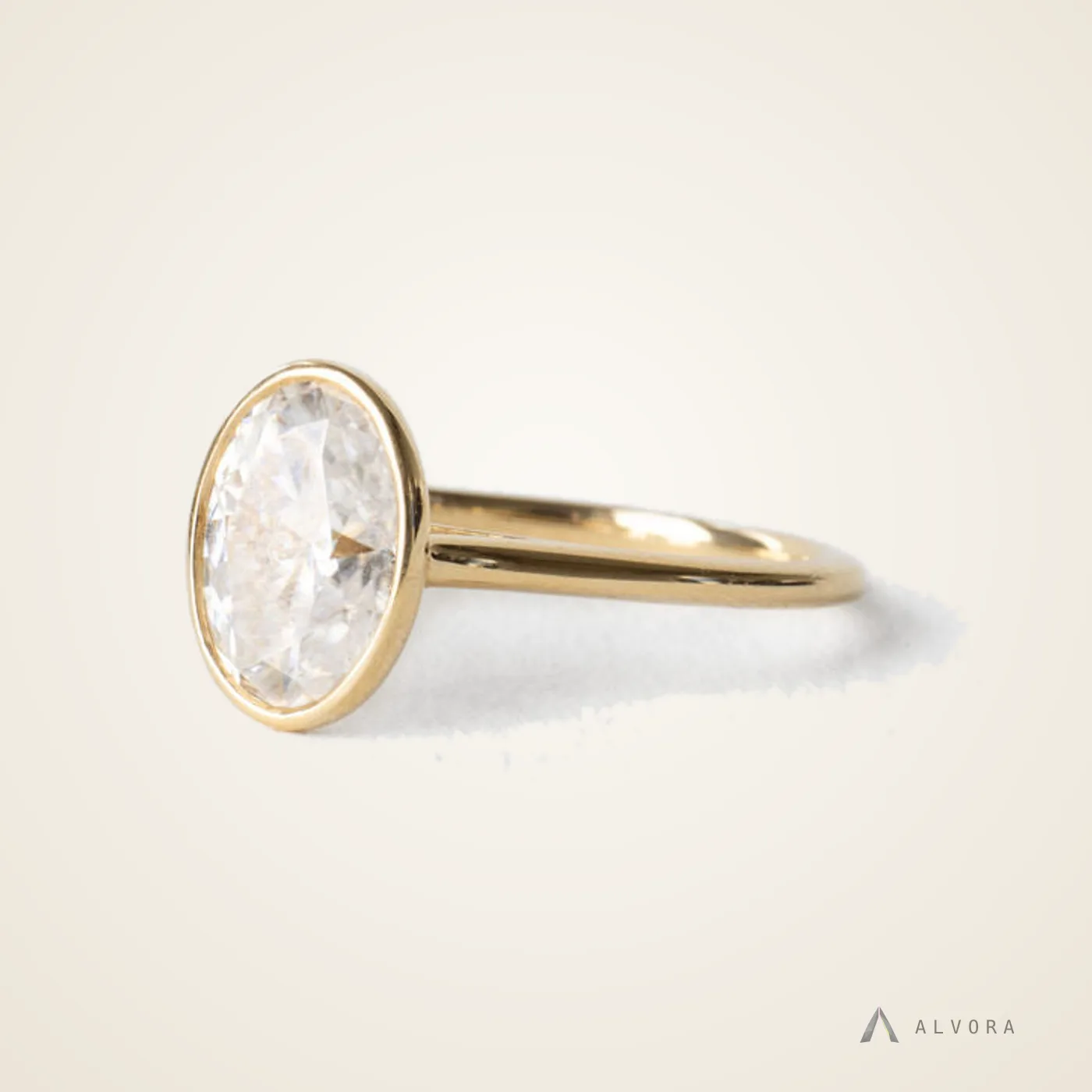
A setting is how the ring holds and presents the centre stone. The main styles are the solitaire, a single stone on a plain band; the east-west, a fancy shape set sideways; the bezel, metal wrapped around the stone's edge; and heritage styles with milgrain and engraving detail.
Browse all setting stylesSolitaire: the classic
One centre stone held by prongs on a plain band. Every design choice points at the stone, so cut quality matters most here.
A solitaire suits any shape and any hand, and it pairs with almost any wedding band later.
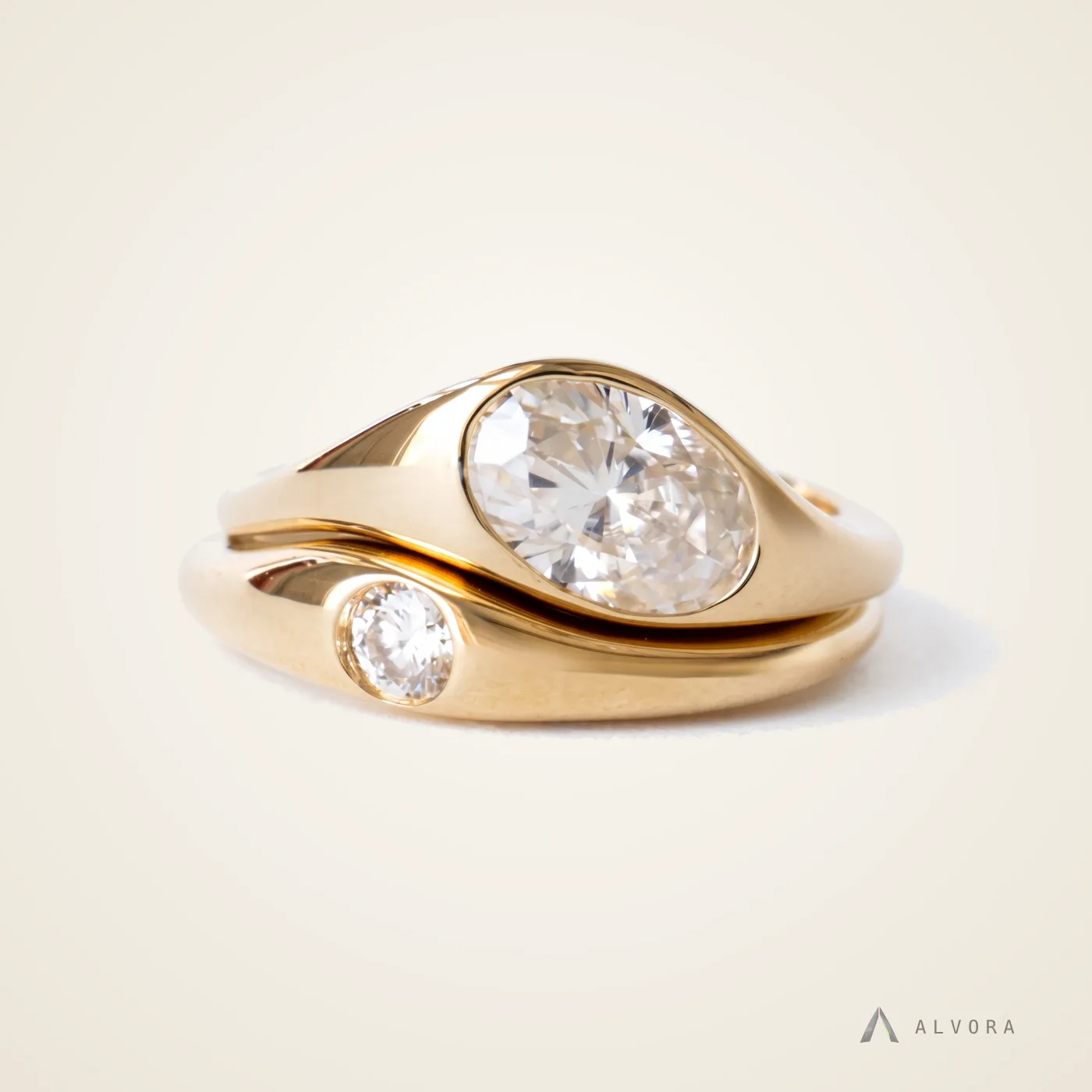
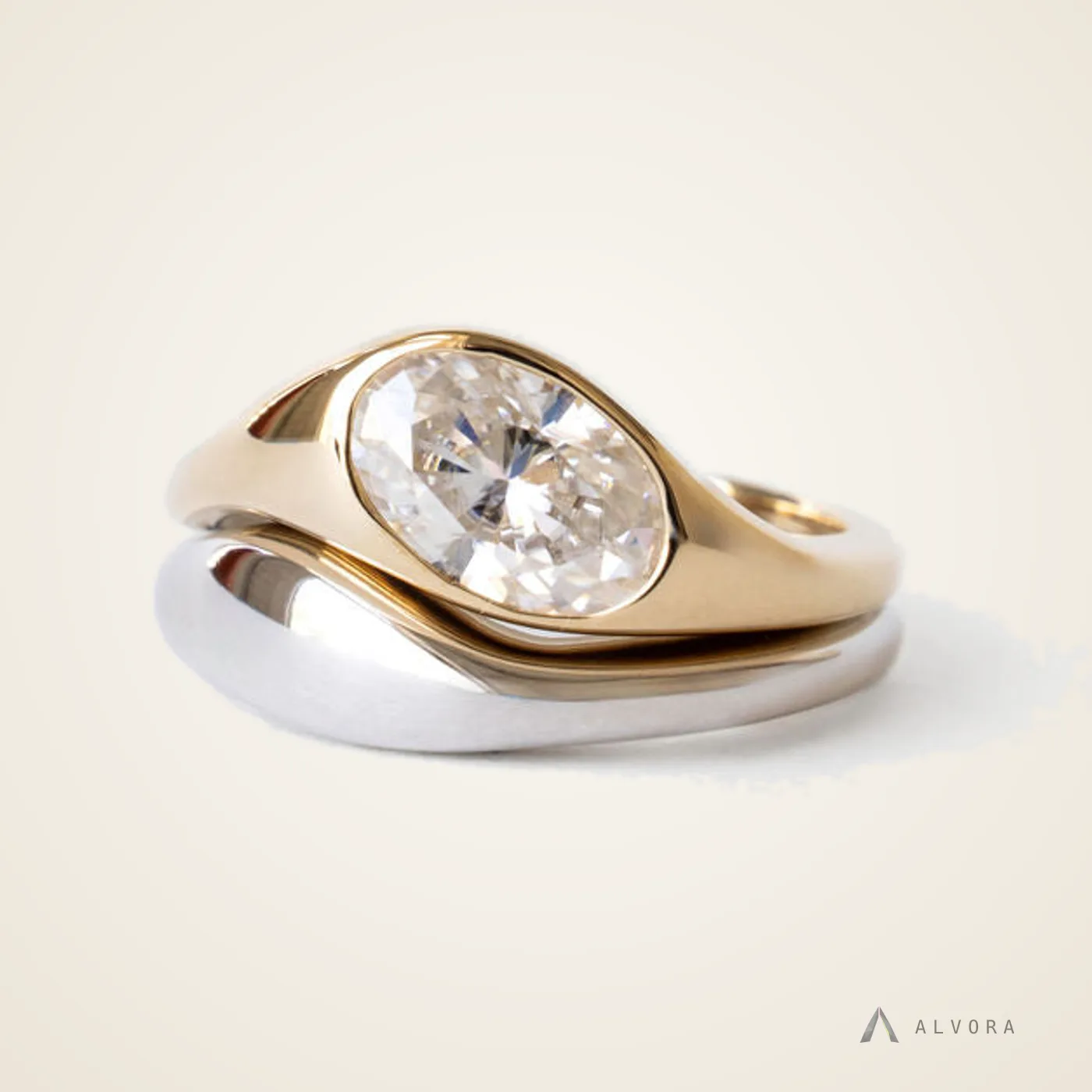
East-west: the stone turned sideways
An elongated shape such as an oval, marquise, emerald or pear is set across the finger instead of along it. The look is modern and reads wider on the hand.
East-west settings suit elongated shapes specifically; a round stone looks the same either way.
What is an east-west setting?Bezel: metal around the edge
A thin rim of metal wraps the stone's outer edge. It is the most protective setting for daily wear and gives a clean, modern outline.
A bezel covers a sliver of the stone's edge, so it can make a stone read slightly smaller than prongs would.
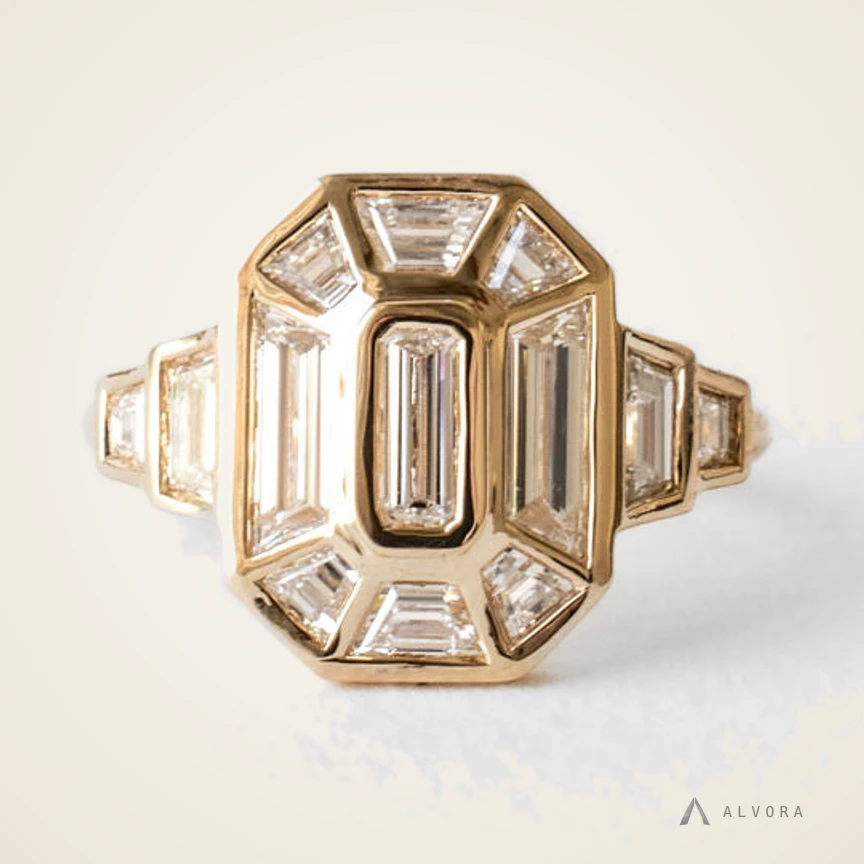
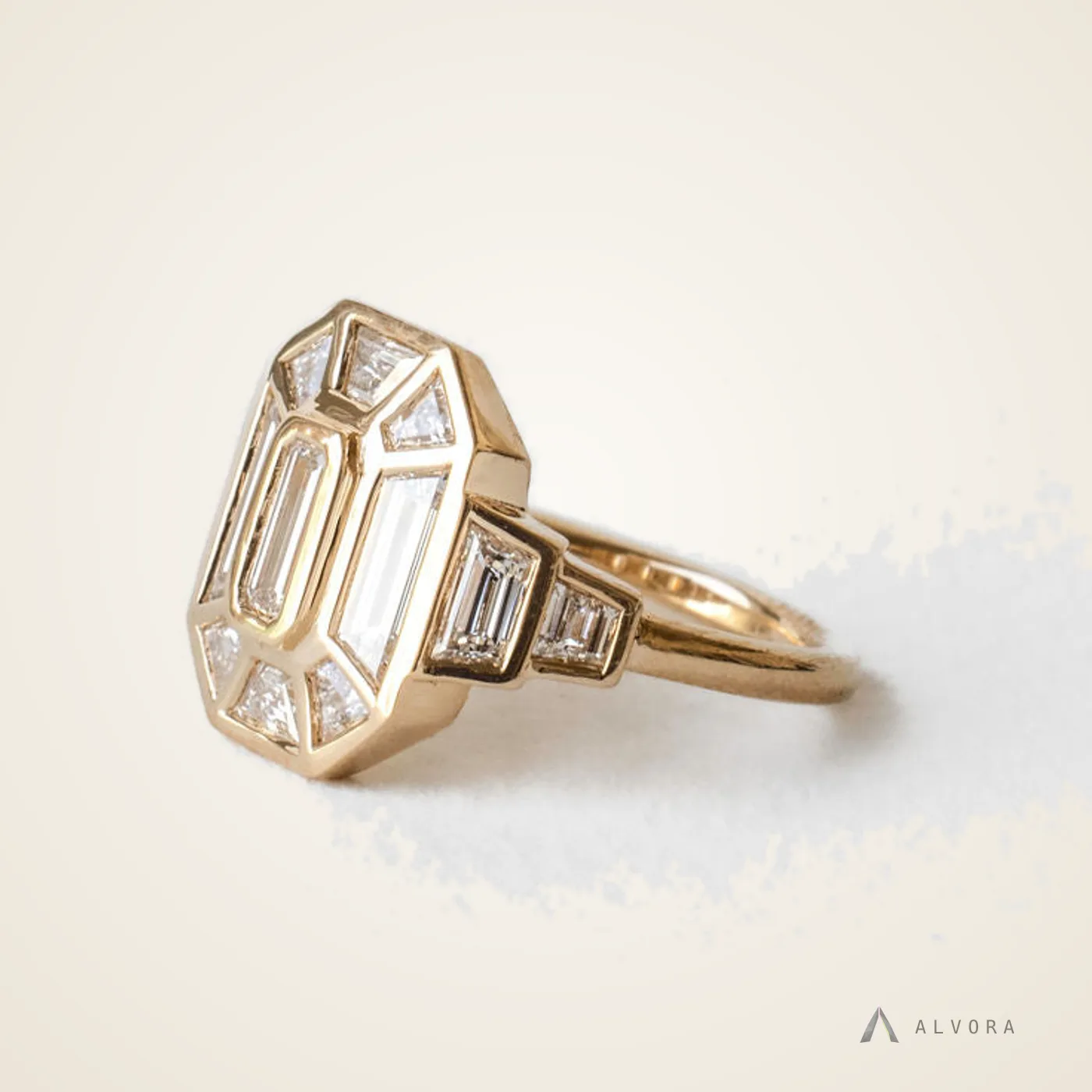
Heritage and antique-inspired settings
Milgrain edges, engraving and filigree give a ring a vintage character. These settings pair naturally with antique cut shapes such as old mine and Dutch marquise.
Detail work adds visual weight, so heritage settings often suit larger centre stones or statement pieces.
Browse antique cut rings